Critical national infrastructure monitoring is the continuous observation of the sites, equipment and assets whose loss would compromise essential services. Its job is to tell the operator of a distributed, hardened estate what state that estate is in, without weakening the thing it watches.
The UK designates thirteen sectors as critical national infrastructure — among them energy, water, communications, transport, health and emergency services — and the National Protective Security Authority (NPSA) is the UK's protective-security authority for the organisations that run them. Operationally, those estates share a shape: sites distributed across the country, hardened by design, often unmanned for weeks, and full of equipment that signals only locally. A pressure gauge in a compound, an alarm panel in a plant room and a door on a remote cabinet all know their own state; nobody else does until someone attends.
For a CNI operator, the first question about any monitoring system is not what it can see but what it exposes. Our answer is architectural: the sensor transmits and never receives. There is no inbound path by which it can be reached, reconfigured or interfered with over the air, no radio interface listening in the field, and nothing at the sensor to patch. There is no IP networking at the point of measurement — a tag cannot be scanned, addressed or enumerated, because there is nothing to connect to.
The same design keeps the remote monitoring system off the networks that matter. Nothing joins site IT, and nothing touches the OT systems in control of the process. Readings travel over licence-free 433 MHz radio to a dedicated gateway, independent of cellular coverage and of the site's own infrastructure, so the monitoring layer keeps working during the incident it exists to report.
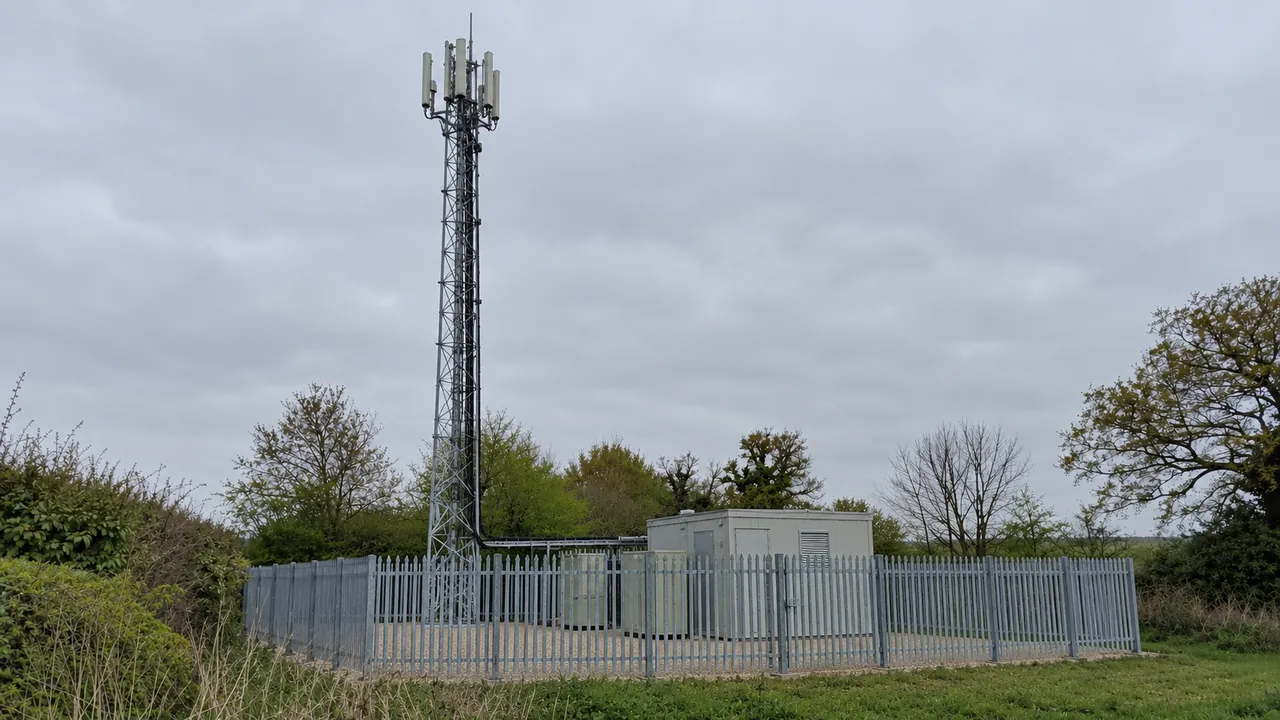
The positions are hostile by nature: basements, plant rooms, steel cabinets, compounds, mast sites with no supply for miles. Delivery assurance is the engineering focus — reads arrive from those positions over sub-GHz radio chosen for penetration, with years of life on a battery. The one powered element is the gateway, which runs from mains, a DC feed or solar where no supply exists.
Operations run on the record as much as the alert. Every event is timestamped as it arrives; every alert carries who was notified and who acknowledged it; escalation follows site, zone and severity, so a door event at an unmanned compound and a suppression fault at a staffed site reach different people at different speeds. When an incident is reviewed, the sequence of what happened and what the response was is already written.
This is deployed, not proposed. IoT Technologies equipment is live today at national scale across UK critical infrastructure estates. The nature of those estates means we do not name clients or sites.
This page describes monitoring and operational visibility, provided on a best-endeavours basis. It does not guarantee prevention of failure, intrusion or loss, and it does not replace certified alarm systems, protective-security assessment, regulated life-safety signalling, guarding, policing or statutory obligations.