01
Pressure
See a pressure loss as it happens.
Pressure tags on compressed air, water and process lines report against high and low limits, with a full history for the engineer looking for the cause.

Industrial IoT monitoring for the points that stop production. Line pressure, tank levels, gases, plant alarms and the mains supply report to one dashboard, which alerts the engineer on shift.
The sensors fit to lines, vessels, tanks and panels, in most cases without a production stop, reading levels and pressures directly or taking the alarm outputs your plant already has. We supply the sensors, the gateway and the dashboard as one working system, and any new point on the plant can be added to the same gateway later.
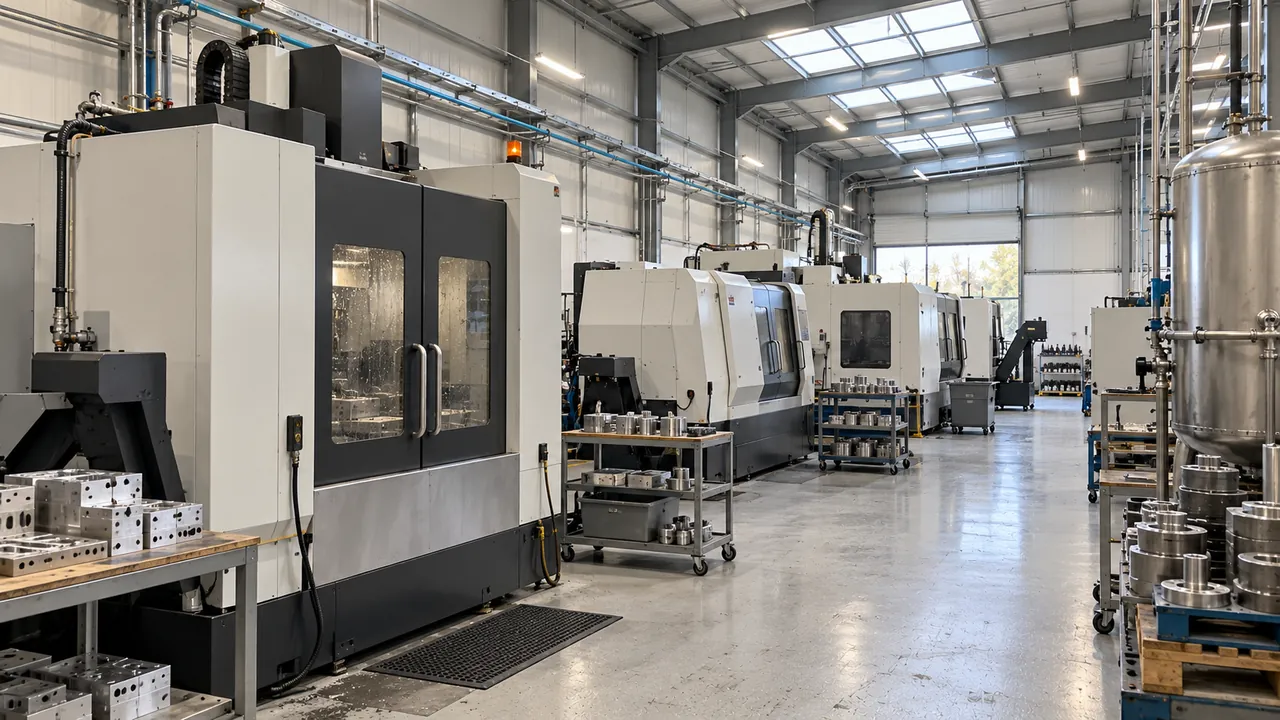
Plant, lines and tanks
Pressure on compressed air, water and process lines, against limits you set.
Levels in chemical, fuel, water and effluent tanks, with low and high alerts.
Alarm, fault and run outputs read without rewiring the panel.
Supply loss, current draw, gases and noise around the process.
Each reading goes to the dashboard, which alerts the engineer on shift by SMS or email, escalates if it is not picked up, and keeps the record for maintenance planning and audit.
Compressed air, water and process lines carry the site. A pressure tag on the line reports a falling or rising pressure against limits you set, so a leak, a tripped compressor or a blocked filter is seen as it happens rather than when a machine stops.
Tanks, sumps and IBCs hold the chemicals, fuel, water and effluent the process depends on. A level tag reports the level at an interval you set and alerts on low and high points, so deliveries are called in on time and a sump is pumped before it overflows.
Plant and control panels already know when they fault. Their volt-free alarm, fault and run outputs are read by a contact tag and sent as an alert, so a boiler lockout, a chiller fault or a pump that has stopped running reaches the engineer on shift without rewiring the panel.
Some readings matter for the people and the permit. Air quality and gas tags report particulates, VOCs and named gases such as hydrogen sulphide around effluent plant and process areas, and sound tags report noise at the boundary.
Power is the other common cause. A power failure tag reports loss and restoration on a supply or distribution board, and a current tag reports whether a motor or heater is drawing current, so a stopped circuit is seen straight away.
Nothing joins the plant or office network. Tags are IP68 sealed, run on their own batteries and transmit over 433 MHz to a ZARC Gateway with its own 4G link and internal battery backup. Every tag checks in on a schedule, so one that goes quiet raises its own alert.
Pressure
Pressure tags on compressed air, water and process lines report against high and low limits, with a full history for the engineer looking for the cause.
Tank and sump levels
Level tags on chemical, fuel, water and effluent tanks report at an interval you set and alert on low and high points.
Plant alarms
Volt-free alarm, fault and run outputs from boilers, chillers, compressors, pumps and control panels are read by a tag and sent as alerts, replacing a local sounder or an old dialler.
Effluent and gases
Air quality, hydrogen sulphide and gas tags report around effluent plant, process areas and the boundary, alongside the readings the permit already requires.
Power and current
Supply loss and restoration on a board or circuit, and current draw on motors and heaters, reported the moment they change.
Records
Every reading, alert, acknowledgement and clear is kept with its time, for shift handover, maintenance planning and incident review.
Deployment approach
Most sites begin with a handful of points that have caused trouble before, then add more on the same gateway.
We list the plant, lines, tanks and panels that matter, survey 433 MHz coverage through the site, fit tags without new cabling, set limits and alert routes for each shift, and test every alert before handover.
List the plant, lines, tanks, panels and supplies that matter, and who is responsible for each.
Point by point
Confirm gateway placement and 433 MHz coverage through metalwork and plant rooms.
Coverage
Set pressure, level and temperature limits, reporting intervals and alert routes for each shift.
Limits and routes
Test every tag and input and confirm each alert reaches every recipient.
Tested end to end
Add points, buildings and sites onto the same dashboard as the need grows.
Site to estate
Tell us about the site, the plant that causes call-outs and who needs the alerts.
Talk to an engineerApplications
Pressure against limits, so a leak or a tripped compressor is seen at once.
Levels with low and high alerts, so deliveries are called in on time.
Sump levels, pump states and gas readings around effluent treatment.
Alarm, fault and run outputs sent to the engineer on shift.
Supply loss, restoration and current draw on critical circuits.
The same points, limits and alert routes across every site on one dashboard.
Remote asset monitoring systems
One system for every asset across every site: sensors, a gateway per site and one dashboard.
Reads existing probes, senders and loops that present their state as resistance.
Reports particulates, VOCs and named gases, built to the pollutants on your site.
Reports dB(A) level, peaks and silence from inside the unit or at the boundary.
Pressure, temperature, current and run state on plant, reported against limits you set.
Thermal detection and heat-risk monitoring for plant rooms, cupboards, comms rooms and distributed estates.
Sensor, firmware, radio, antenna and gateway engineering for low-power telemetry in difficult environments.
Real-time alerts, escalation and event records, held in the cloud or on your own servers.
Data Centres and Critical Infrastructure
Server rooms and comms rooms: temperature, power, leaks and protective plant alarms.
Facilities Management and Property Operators
Facilities monitoring for plant rooms, utilities, security systems, contractor workflows and evidence-ready reporting.
Real-time pressure monitoring case study
A field deployment of retrofit pressure tags in an industrial setting: what was monitored and how the alerts worked in practice.
FAQ
Pressure on compressed air, water and process lines, levels in tanks, sumps and IBCs, effluent and gas readings, temperature and humidity, the alarm and run outputs of plant and control panels, current draw, mains power and water leaks.
Yes. The tags are IP68 sealed and battery-powered, and transmit over 433 MHz, which carries well through metalwork and plant rooms. Range reaches up to 5 miles line of sight in good conditions, and an RF survey confirms coverage on your site before anything is fitted.
Yes. Most plant and control panels have volt-free alarm, fault or run outputs. A tag reads each one and sends it as an alert to the named engineer, without rewiring the panel or touching its controls.
No. The tags fit to existing pipework, tanks and panel outputs without new cabling, and one ZARC Gateway with its own 4G link covers the site, so nothing joins the plant or office network.
No. It reports and alerts; it does not control plant or replace safety instrumentation, gas detection systems or permits. It sits alongside them and tells people sooner.
There are no per-alert, per-user or licence charges. The system is charged monthly per tag and per gateway, so a new point is one more tag on the same gateway.
Tell us about the site, the plant and the points that cause call-outs, and who needs to hear about them. We will say what to fit and where.
Direct contact
Location
Venator House, Unit 9, 15-17 St Stephen's Road, Bournemouth
Dorset, BH2 6LA · VAT GB 409644484
Tell us about the site, the plant, tanks, lines and panels that matter, and who needs the alerts.