Most assets do not fail without warning. Temperatures drift, current draw moves, duty cycles shift, and a fault or status contact operates — usually long before anyone was due on site.
Asset condition monitoring is about hearing the fault when it happens rather than finding it at the next visit. Most equipment already signals its own problems through volt-free contacts, trip relays and status outputs; our battery-powered tags read those signals without touching the machine — retrofit, no rewiring, no control-system integration. We design monitoring around generators, pumps, compressors, HVAC assets, cabinets, estates and remote infrastructure where downtime, access cost or failure impact matters.
A useful condition monitoring system is not just a dashboard. It must collect the right telemetry, transmit it reliably, separate meaningful drift from noise and route events to the people who can act. The output should support maintenance decisions, not create another screen that nobody trusts.
Telemetry can include temperature, current, voltage, pressure, humidity, runtime, duty cycle, movement, enclosure state, environmental exposure and other asset-specific signals. The exact sensor set depends on the failure modes, installation constraints, reporting cadence and evidence required.
Trend behaviour is often more useful than fixed thresholds. A rising temperature or a changing power profile can indicate developing risk before a hard alarm is reached, and a detected shock or motion event flags a physical disturbance the moment it happens. That gives maintenance teams more time to plan access, parts and contractor response.
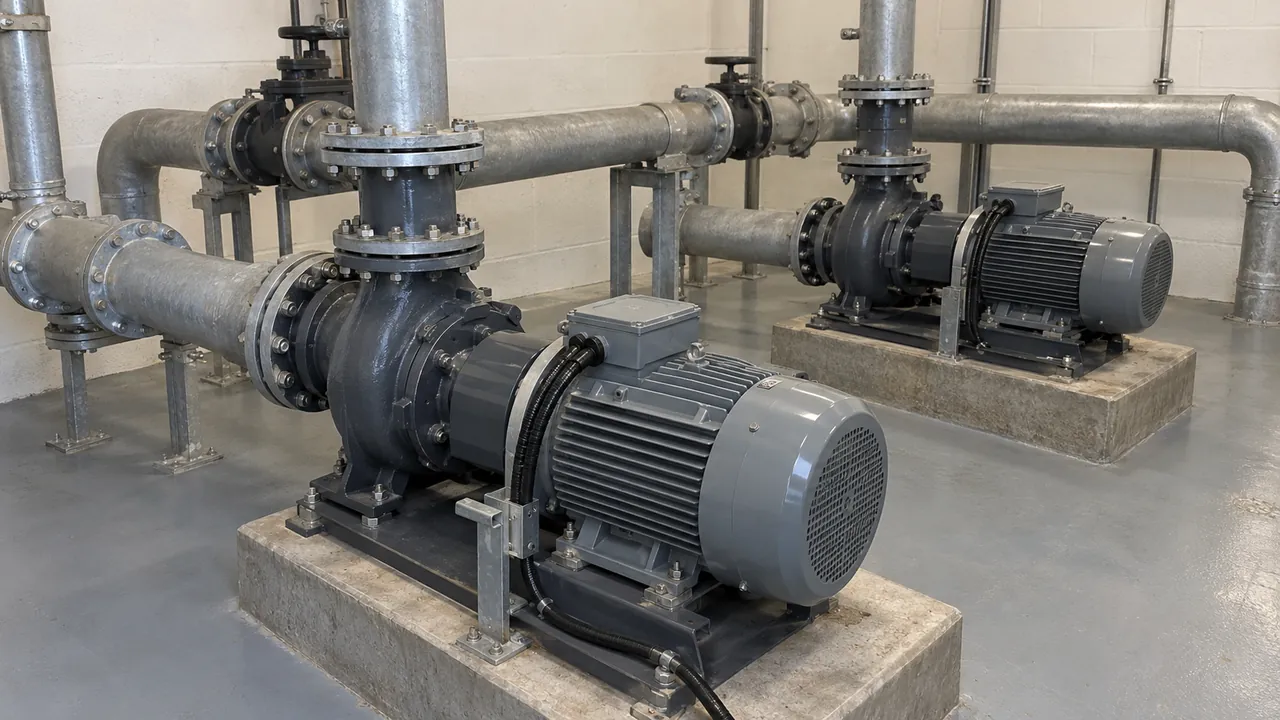
The sharpest case is standby plant: generators, pumps, UPS estates and fire sets that sit idle and fail only when called on. Nothing about a seized pump or a tripped charger looks different from the outside, so nobody discovers the fault until the day it matters. A monitored fault contact turns that silent state into an alert on the day it changes. The same evidence helps prioritise work more widely: instead of maintaining everything on the same schedule, teams can focus on assets showing drift, repeated excursions or abnormal operation.
For estate-scale deployments, evidence matters. Timestamped telemetry, event history, alerts, acknowledgement records and dashboard reports can support audits, insurers, post-incident review and internal governance. The goal is a defensible operational timeline, not vague anecdotal reporting.